Alfalfa
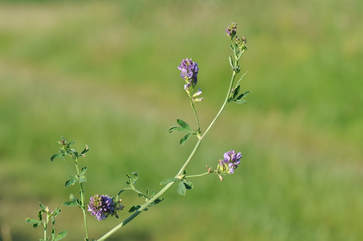
Buy Alfalfa
Scientific Name: Medicago sativa
Parts Used: Leaves, flowers, sprouted seeds
Cautions:
Healing Properties
How to Use:
Grow/Harvest Yourself:
*I am not a doctor. The information on this platform is not a claim to treat, cure, prevent or diagnose any illness. These remedies are intended to aid the healing process within your body (in correlation with existing traditional treatments). Please talk to your family doctor before trying any natural remedies (especially if you are pregnant, nursing, or on prescription medication).
Scientific Name: Medicago sativa
Parts Used: Leaves, flowers, sprouted seeds
Cautions:
- Avoid the seeds and sprouts if you have inflammatory conditions (like arthritis, lupus, etc). The leaves are okay to use for these conditions.
Healing Properties
- Promotes strong bones, teeth, connective tissues, skin
- Used to heal wounds and burns, and treat symptoms of arthritis, gout and rheumatism
- Lowers blood cholesterol level, reduces inflammation
- Improves body's resistance to cancer
How to Use:
- Can be taken in store-bought capsule form.
- Add fresh leaves and/or blooms to food/smoothies (up to 1 Tablespoon)
- Add dried leaves and/or blooms to smoothies (up to 1 Tablespoon)
- Tea/Infusion (best consumed immediately, but can be stored in the fridge for up to 48 hours):
- Cover 1/2 cup fresh leaves and/or blooms (or 2 Tablespoons dried) with boiling water. Let steep for 10 minutes. Drain & drink.
- Syrup (Can be stored longer - up to 2 weeks in the fridge, or frozen indefinitely):
- Make 2 cups of the tea. Add to cast iron or stainless-steel pan. Add 2 cups sugar or honey and heat the mixture on med-low heat until the sugar/honey is dissolved and it thickens into a light syrup. Remove from heat and let it cool. Store in a glass bottle (cork top, not screw, because syrups can ferment and explode if sealed too tightly). Take in 1-2 teaspoon doses every 3-4 hours.
- Tincture (Can be stored longer - generally last for 2+ years and some say potency increases with age):
- Add 2 cups water to 1 quart of vodka or rum that is approximately 37.5% alcohol). Put this in a clean bottle, clearly labeled (not all will be used for the tincture and you can use the remaining for additional batches). Put 1/4 pound of dried leaves and/or blooms (or 3/4 pound fresh) into a large wide-mouthed glass jar. Add 2 cups of the diluted alcohol mixture to the jar, screw lid on tight and shake well. Leave jar in a cool dark place for 2 weeks, shaking well every couple of days. After 2 weeks, strain the mixture and store the liquid in a clean, dark glass bottle. Add 1/2 - 1 teaspoon tincture to juice or warm water 3-4 times daily.
- Ointments/Creams:
- Ointment (use when needing to protect and seal the skin): Melt 1/2 pound lard or vaseline in a saucepan over very low heat. Add 3 Tablespoons of dried herb and stir well. Heat for about 2 hours or until herb is starting to get crispy. Strain into glass ointment jars and store in a cool dry place. This should last about a year if all equipment is clean/sterile.
- Cream (use when you want the mixture absorbed by the skin): Use a large double boiler. Fill lower pan with water and put 1.5 Tablespoons white beeswax and 1.5 Tablespoons anhydrous lanolin into the top pan. Heat until melted and add 1/2 cup of base oil (sunflower or similar), 6 Tablespoons water and 2 Tablespoons glycerol. Heat until fully melted again. Add 3 Tablespoons dried herb and heat for at least 3 hours (check water level of bottom pan often and add boiling water as needed). After 3 hours, pour the hot mixture through a strainer (quickly, as it will begin to re-solidify). Stir cream gently until it cools. Store in small dark glass jars and use as needed. This should last about a year if all equipment is clean/sterile.
- Oil Infusions (Can be stored longer - generally will last for at least a year, often longer):
- Hot Infusion: Use a large double boiler. Fill lower pan with water and put 1/4 pound dried herb (or 1/3 pound fresh) and 2 cups of base oil (sunflower or similar) to the top pan. Heat on medium-low heat for 3 hours (check water level of bottom pan often and add boiling water as needed). Strain the oil into a pitcher. Cool completely, then pour oil into glass bottles and store in a cool dark place.
- Cold Infusion: Pack a medium sized jar with dried or fresh herb (1 inch from the top). Cover herb with safflower or walnut oil. Leave the jar in a sunny indoor location for at least 3 weeks. Strain the mixture and repeat process again using more herb and the oil from the first infusion. Leave it in a sunny indoor location again for an additional 2-3 weeks. Strain the oil again, place in glass bottles and store in a cool dark place.
- Compress: Soak a cotton ball or gauze in hot tea/infusion or tincture (4 teaspoons tincture to 2 cups hot water) and apply to area affected. Note: it may be beneficial to use a cold compress instead, for some types of headaches for example).
- Poultice: Use a cotton ball or piece of gauze about 3 times the size of the area needing treatment. Fold in fresh or dried herbs and place it in a shallow dish. Pour boiling water on it and soak for 5 minutes. Remove poultice from water and place on affected area. Replace when it cools (or put a heating pad on top to keep warm).
Grow/Harvest Yourself:
- Buy Alfalfa Seeds
- Zone: Any
- Soil pH: 6.8-7.5
- Can be grown on a wide range of soil textures, but sandy loam, silt loam, and clay loam soils are preferred.
*I am not a doctor. The information on this platform is not a claim to treat, cure, prevent or diagnose any illness. These remedies are intended to aid the healing process within your body (in correlation with existing traditional treatments). Please talk to your family doctor before trying any natural remedies (especially if you are pregnant, nursing, or on prescription medication).