Ginger
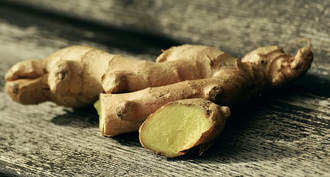
Buy Ginger
Buy Ginger Essential Oil
Scientific Name: Zingiber officinale
Parts Used: Root, Essential Oil
Cautions:
Healing Properties
How to Use:
Grow/Harvest Yourself:
*I am not a doctor. The information on this platform is not a claim to treat, cure, prevent or diagnose any illness. These remedies are intended to aid the healing process within your body (in correlation with existing traditional treatments). Please talk to your family doctor before trying any natural remedies (especially if you are pregnant, nursing, or on prescription medication).
Buy Ginger Essential Oil
Scientific Name: Zingiber officinale
Parts Used: Root, Essential Oil
Cautions:
- Some people may experience mild heartburn.
- People with gallstones should consult a doctor before using ginger supplements.
Healing Properties
- Warming, anti-inflammatory, digestive, carminative, aromatic, stimulating, tonic, immunity enhancing, diffusive, diaphoretic
- Nausea (including chemotherapy induced), coughing, stimulates circulation, encourages perspiration, relaxes blood vessels
- Good for headaches, arthritis, ulcers, indigestion, bloating, flatulence, circulation problems, impotence
- Used to tame irritant effects on stomach of other herbs. Also used to increase absorption of other herbs/supplements
- Good for colds, chills, sinus congestion, lung congestion, eases muscular stiffness, aches and pains
- In Chinese medicine, fresh and dried root ginger are viewed differently - dried is more helpful for abdominal pain and diarrhea; fresh more suitable for feverish chills, coughs, and vomiting
- Can help with morning sickness, motion sickness, food poisoning and food allergies
- Fights fatigue and boosts motivation
- Helpful for some parasites
How to Use:
- Add fresh or dried herb to food and beverages.
- Can be taken in store-bought capsule or extract form.
- Tea/Infusion (best consumed immediately, but can be stored in the fridge for up to 48 hours):
- Cover 1/2" slice fresh herb with boiling water. Let steep for 5-10 minutes. Strain & drink.
- Essential oils: Apply externally
- Syrup (Can be stored longer - up to 2 weeks in the fridge, or frozen indefinitely):
- Make 2 cups of the tea. Add to cast iron or stainless-steel pan. Add 2 cups sugar or honey and heat the mixture on med-low heat until the sugar/honey is dissolved and it thickens into a light syrup. Remove from heat and let it cool. Store in a glass bottle (cork top, not screw, because syrups can ferment and explode if sealed too tightly). Take in 1-2 teaspoon doses every 3-4 hours.
- Tincture (Can be stored longer - generally last for 2+ years and some say potency increases with age):
- Add 2 cups water to 1 quart of vodka or rum that is approximately 37.5% alcohol). Put this in a clean bottle, clearly labeled (not all will be used for the tincture and you can use the remaining for additional batches). Put 1/4 pound of dried herb (or 3/4 pound fresh) into a large wide-mouthed glass jar. Add 2 cups of the diluted alcohol mixture to the jar, screw lid on tight and shake well. Leave jar in a cool dark place for 2 weeks, shaking well every couple of days. After 2 weeks, strain the mixture and store the liquid in a clean, dark glass bottle. Add 1/2 - 1 teaspoon tincture to juice or warm water 3-4 times daily.
- Steam Inhalation:
- Put a large handful of fresh herbs, 1.5 Tablespoons dried herb, or up to 10 drops essential oil into a large bowl. Add 2 cups boiling water. Lean over the bowl and cover your head completely with a towel. Inhale steam for 10 minutes (or as long as you feel comfortable). Make sure to stay in a warm room for 30 minutes after to allow your airways to return to normal.
- Oil Infusions (Can be stored longer - generally will last for at least a year, often longer):
- Hot Infusion: Use a large double boiler. Fill lower pan with water and put 1/4 pound dried herb (or 1/3 pound fresh) and 2 cups of base oil (sunflower or similar) to the top pan. Heat on medium-low heat for 3 hours (check water level of bottom pan often and add boiling water as needed). Strain the oil into a pitcher. Cool completely, then pour oil into glass bottles and store in a cool dark place.
- Cold Infusion: Pack a medium sized jar with dried or fresh herb (1 inch from the top). Cover herb with safflower or walnut oil. Leave the jar in a sunny indoor location for at least 3 weeks. Strain the mixture and repeat process again using more herb and the oil from the first infusion. Leave it in a sunny indoor location again for an additional 2-3 weeks. Strain the oil again, place in glass bottles and store in a cool dark place.
Grow/Harvest Yourself:
- Buy Ginger Seeds
- Zone: 9
- Fertile, moist, well-drained soil
- Partial shade
*I am not a doctor. The information on this platform is not a claim to treat, cure, prevent or diagnose any illness. These remedies are intended to aid the healing process within your body (in correlation with existing traditional treatments). Please talk to your family doctor before trying any natural remedies (especially if you are pregnant, nursing, or on prescription medication).